Full steam ahead
An update about the future of Strong Yes

It’s been a little while since we first wrote about our idea for Strong Yes, but we’re excited to share a few updates about the progress we’ve made since then:
Full-time commitment - We are two co-founders working full-time on Strong Yes after having left our previous full time job. We’re now fully focused to improving the recruiting process, helping companies find better talent, and for job seekers to find better companies to join.
Problem discovery - We haven’t quite nailed the exact problem we’re trying to solve, but we’re firm believers in the growing need for better talent distribution with a growing global community. In the end, business and products are built by people and not much innovation has occurred in helping companies hire faster or better. On the candidate side, we still believe there is a huge gap we can help close in helping underrepresented candidates reach their potential to find the best job that fits their career goals.
Building in public - Moving forward, we’re committing to posting an update once per week to share the progress that we’re making on building Strong Yes and the insights we’re gathering in order to build out the best possible product. We’re big fans of the build in public movement, and we intend to follow in the footsteps of those who paved the way for a new way of building products and communities.

What problems do startups have with hiring today?
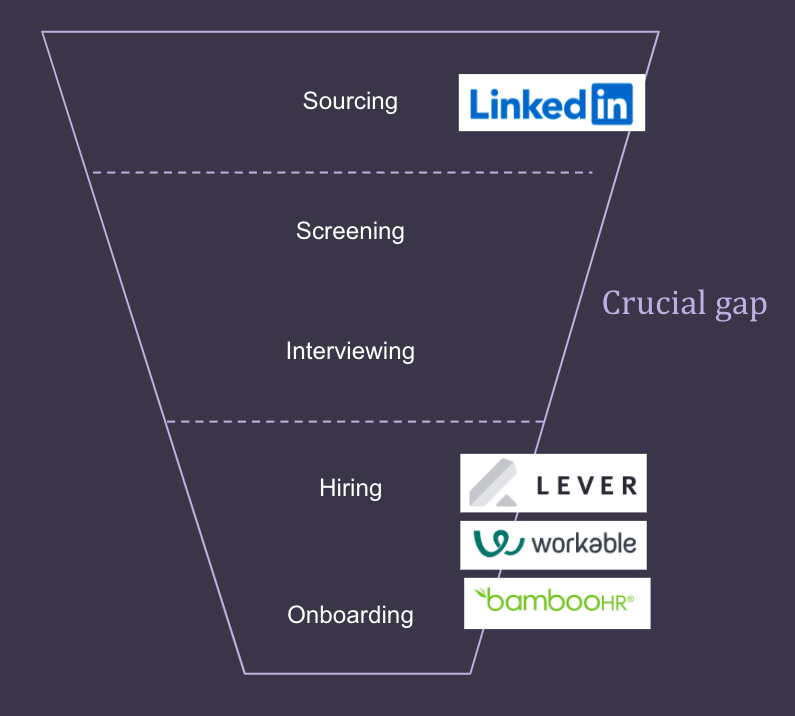
We all know how important finding and hiring the right people is to the success of a startup. There are plenty of tools that have been developed to help with sourcing candidates and generating leads with Linkedin dominating this space as well as a sea of applicant tracking systems such as Lever and BambooHR that are out there in the market for you to choose from. These are all tools that help you find more candidates to speak to, but little to no innovation has been made to help to help companies more efficiently screen or more effectively interview candidates that will work out.
We all have experienced a bad hire that didn’t work out for whatever reason that ends up costing both time and money for onboarding, phasing the person out, and time spend to find a replacement. This is the main problem we’ve been digging into to better understand.
💡 We believe that there is a crucial gap in tools that help companies easily implement better hiring practices for screening and interviewing candidates to save both time and identify top-tier talent.
How can a structured interview process lead to better hires?
Working at a startup, you often feel like you just need to fill butts in a seat with everybody working 3 different jobs each. That often leads to compromises in the quality of new hires in favor of finding someone who can start tomorrow.
While this may work in out in some cases, we find that this can set a lot of startups back 2 steps if the wrong decisions are made to bring on a bad hire.
Especially when startups are still small under 50 employees, there might not be a set process for what new roles need to be hired and the process for how to interview those candidates. At most, it’s a few unstructured calls with the CEO, hiring manager, and maybe a couple other teammates.
⚠️ We think that not pre-defining what you’re looking for in advance and being deliberate in having a structured interview process to assess for this criteria is the biggest reason for why bad hires are made.
We also don’t blame startups either for not implementing a structured interview process from the get go since it’s not easy to build up from scratch and often doesn’t seem necessary with such a small team.
Highlighting popular interview methodologies: WHO
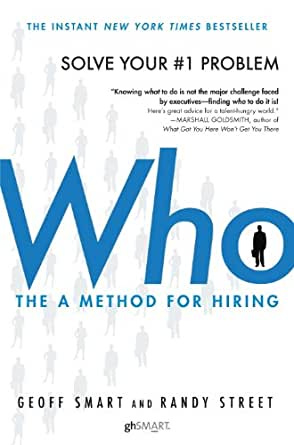
Fortunately, there are many pioneers that have dug into this problem already to put together very useful frameworks and methodologies for identifying top talent such as the WHO method and topgrading.
🚨 Unfortunately, many popular hiring methodologies are not easy for startups to implement and adapt to their needs.
This is the basis of what we’re working with at Strong Yes to deconstruct the best hiring methodologies and build products that allow companies of all sizes from startups to large corporations to easily implement best practices to attract, screen, and assess top tier talent.
As a quick note, we don’t claim to have come up with any of these concepts ourselves. We plan to give credit where credit is due and piggybacking off the 100s of hours of research that they’ve already done to make it easier for people to follow and utilize.
Future posts to look forward to
In the next set of posts, we’ll start diving into highlighting what we think are the most important concepts of the hiring methodologies to start incorporating. Here are some topics you can look forward to, but feel free to reach out at hello@strongyes.xyz for any other topics that you’d like to see!
Core elements of a structured interview process
Scorecards and skill matrices
Best questions to assess key competencies
We hope you’ll join us along our journey!
- The Co-founders of Strong Yes